Orthobiologics

Advanced Regenerative Medicine at Apex Advanced Spine & Pain

When pain from an injury, arthritis, or chronic musculoskeletal condition begins to interfere with daily life, many people want treatment that addresses more than just symptoms. They want solutions that encourage the body’s own healing processes while helping them stay active, avoid unnecessary surgery, and return to the activities they enjoy.

At Apex Advanced Spine & Pain in Boise, Idaho, orthobiologics represent an exciting area of modern musculoskeletal medicine. These advanced regenerative treatments utilize naturally occurring biological materials to support the body’s healing response for certain orthopedic and spine-related conditions. When carefully selected for the right patient, orthobiologic therapies may help reduce pain, improve function, and complement comprehensive pain management programs. Orthobiologics are an evolving field of regenerative medicine that uses biologic materials—including components derived from a patient’s own blood or tissues—to support healing in bones, joints, ligaments, tendons, muscles, and cartilage.

Our goal is always the same: deliver personalized care using evidence-based treatments that help our patients move more comfortably and enjoy a higher quality of life.

What Are Orthobiologics?
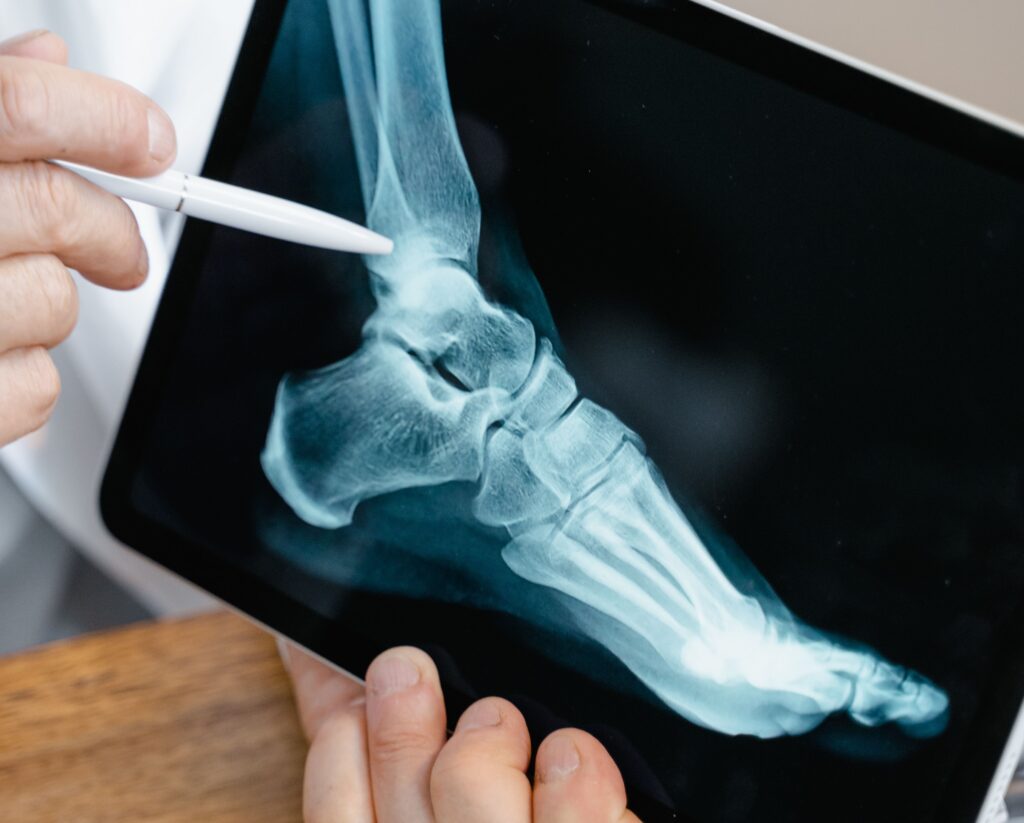
The word orthobiologics combines two concepts:

Ortho refers to the musculoskeletal system.
Biologics refers to naturally occurring biological substances used in medical treatment.

Unlike medications that temporarily mask symptoms, orthobiologic treatments are designed to enhance the body’s natural healing mechanisms by delivering concentrated biologic materials directly to an injured or painful area. Depending on the specific treatment and condition, orthobiologics may help:

  • Support tissue healing
  • Reduce inflammation
  • Improve joint function
  • Encourage repair of damaged soft tissues
  • Decrease chronic pain
  • Improve mobility
  • Potentially delay more invasive procedures in selected patients

Orthobiologics are not appropriate for every condition, and results vary by diagnosis, severity, overall health, and the specific therapy used. Professional organizations emphasize careful patient selection and evidence-based use because the quality of evidence differs among various orthobiologic treatments and conditions.

Our Philosophy: Relief With Responsibility

Pain relief is important—but so is safety.

We prioritize:

✓   Effective symptom control
✓   Lowest effective dosages
✓   Reduced reliance on high-risk medications when possible
✓   Close monitoring and communication
✓   Long-term health and function

Our goal is not just to reduce pain today, but to help you maintain control of your health over time.

Conditions That May Benefit From Orthobiologics

Orthobiologic therapies are commonly considered for selected patients with musculoskeletal conditions such as:

Tendon Injuries

Healthy tendons have limited blood flow, making them slow to heal, including:

  • Tennis elbow
  • Golfer’s elbow
  • Rotator cuff tendinopathy
  • Achilles tendinopathy
  • Patellar tendon injuries
  • Hamstring injuries
  • Gluteal tendinopathy

These chronic conditions often develop after months or years of repetitive stress.

Muscle Injuries

Patients recovering from muscle strains or partial tears may benefit from comprehensive treatment plans that can include regenerative approaches when appropriate.

Osteoarthritis

Many patients suffer from:

  • Knee arthritis
  • Hip arthritis
  • Shoulder arthritis
  • Thumb arthritis
  • Ankle arthritis

As cartilage gradually wears away, patients may experience:

Pain • Swelling • Stiffness • Decreased mobility • Difficulty walking • Joint instability

Some orthobiologic treatments have shown benefit for selected patients with mild to moderate osteoarthritis, particularly in the knee, although results vary and additional research continues.

Cartilage Injuries

Articular cartilage has limited ability to repair itself.

Certain orthobiologic therapies may be incorporated into treatment plans for selected cartilage injuries, depending on the location and extent of damage.

Chronic Joint Pain

Persistent pain involving:

  • Knees
  • Hips
  • Shoulders
  • Ankles
  • Elbows
  • Wrists

These areas may respond to regenerative treatment as part of a broader pain management strategy.

Common Types of Orthobiologics

Several categories of orthobiologic therapies are used in musculoskeletal medicine:

Platelet-Rich Plasma (PRP)

PRP is one of the most commonly used orthobiologic treatments.
The process generally involves:

  • Drawing a small sample of the patient’s blood.
  • Processing it to concentrate platelets.
  • Injecting the platelet-rich portion into the affected area using careful technique.

Platelets contain growth factors and signaling proteins involved in normal healing. PRP has been studied for tendon injuries, some ligament injuries, and knee osteoarthritis, with evidence supporting its use in selected cases while acknowledging that outcomes depend on the condition being treated.

Bone Marrow-Based Therapies

Bone marrow contains cells and biologic components involved in tissue repair.

Certain orthopedic procedures use bone marrow-derived products, particularly in specialized orthopedic settings. Their use should be based on appropriate indications and current evidence.

Other Biologic Treatments

Depending on the clinical situation, musculoskeletal specialists may also use other biologic materials in surgical or nonsurgical care, such as bone grafts, allografts, or recombinant growth factors. These are selected based on the diagnosis, procedure, and available evidence.

Benefits of Orthobiologics

Potential advantages may include:

  • Minimally invasive treatment
  • Outpatient procedures
  • Little or no general anesthesia
  • Small needle injections rather than large incisions
  • Faster recovery than many surgical procedures
  • Use of naturally occurring biologic materials
  • Potential reduction in pain
  • Improved mobility
  • Better physical function
  • Individualized treatment planning

While many patients experience meaningful improvement, no treatment can guarantee tissue regeneration or eliminate the need for future surgery. Expectations should be discussed with your provider.

Ongoing Monitoring and Adjustments

Pain is not static—it changes over time. Your medication plan should change with it.

We Continuously Evaluate

  • Pain levels
  • Functional improvement
  • Side effects
  • Tratment effectiveness
  • Overall health and safety

Adjustments may include:

  • Changing Treatments
  • Adjusting therapies
  • Tapering medications when possible
  • Introducing alternative treatments

Our goal is to keep your treatment effective while minimizing risks.

Safety and Risk Management

Tratment safety is a top priority.

Our Safety Measures Include:

  • Careful patient screening
  • Reviewing medical history and current medications
  • Monitoring for side effects
  • Regular follow-up visits
  • Use of treatment agreements when appropriate
  • Coordination with other healthcare providers

We also emphasize patient education so you understand:

  • How to apply therapies correctly
  • What side effects to watch for
  • When to contact your provider

Orthobiologics as Part of Comprehensive Care

Orthobiologics are often most effective when combined with:

  • Therapeutic exercise
  • Weight management
  • Anti-inflammatory lifestyle changes
  • Activity modification
  • Spine rehabilitation
  • Joint stabilization
  • Strength training
  • Home exercise programs
  • Interventional pain management when appropriate

A comprehensive approach to help maximize long-term results.

Image Guidance for Precision

Many orthobiologic procedures benefit from image guidance using ultrasound or fluoroscopy to help place the treatment accurately at the intended site. Precise placement may improve the ability to target injured tissues while avoiding nearby structures.

Who May Be a Good Candidate?

Potential candidates often include patients who:

✓   Have chronic joint pain
✓   Have tendon injuries
✓   Have mild to moderate arthritis
✓   Wish to delay surgery when appropriate
✓   Have not improved with conservative care
✓   Want minimally invasive options
✓   Are committed to rehabilitation after treatment

Not everyone is a candidate. Certain medical conditions, active infections, bleeding disorders, or advanced joint damage may make other treatments more appropriate.

Recovery After Treatment

Recovery varies depending on:

  • The condition treated
  • The specific orthobiologic therapy
  • Overall health
  • Activity level
  • Rehabilitation participation

Patients may experience temporary soreness before gradual improvement. Many treatment plans include activity modification followed by a structured rehabilitation program to support healing.

Why Choose Apex Advanced Spine & Pain in Boise?

At Apex Advanced Spine & Pain in Boise, Idaho, we believe every patient deserves individualized, compassionate care built on the latest medical knowledge and sound clinical judgment. Our approach emphasizes:

  • Thorough evaluations
  • Accurate diagnosis
  • Personalized treatment plans
  • Advanced minimally invasive procedures
  • Evidence-informed regenerative medicine
  • Comprehensive pain management
  • Functional restoration
  • Long-term wellness
  • Patient education
  • Collaborative decision-making

Whether you are struggling with chronic joint pain, tendon injuries, ligament problems, arthritis, or another musculoskeletal condition, our experienced team works with you to identify the most appropriate treatment options. We combine advanced diagnostic techniques, interventional pain management, rehabilitation strategies, and regenerative therapies when appropriate to help relieve pain, restore mobility, and support your return to an active lifestyle.

At Apex Advanced Spine & Pain, our mission is not simply to reduce pain—it is to help you regain confidence in your movement, improve your daily function, and enjoy a healthier, more active future through personalized, patient-centered care.

Take the Next Step Toward Safer Pain Relief

You don’t have to manage pain on your own. With the right guidance, orthobiotics can be used safely and effectively as part of a comprehensive plan.

At Apex Advanced Spine & Pain in Boise, Idaho, we are committed to helping you find the right balance—relief, function, and long-term health.

Schedule a Consultation Today

Let us help you develop a personalized orthobiotic management plan that supports your recovery and improves your quality of life.


Schedule an Appointment With Apex Advanced Spine & Pain

Discover how personalized orthobiotics can support your healing, restore your function, and help you return to a more active life.