Physical Therapy

Personalized Rehabilitation at Apex Advanced Spine & Pain

Pain can change the way you move, work, sleep, and live. It can make simple tasks feel difficult and active living feel out of reach. At Apex Advanced Spine & Pain in Boise, Idaho, physical therapy is a key part of our comprehensive approach to helping patients reduce pain, restore mobility, build strength, and return to the activities that matter most.

Whether you are recovering from an injury, dealing with chronic back or neck pain, healing after a procedure, or trying to avoid surgery, physical therapy can play a major role in your recovery. Our goal is not just to help you feel better for a few days. Our goal is to help you move better, function better, and stay better.

Physical therapy is about much more than exercise. It is a structured, targeted, medically guided approach to improving the way your body moves and performs. For many patients, it becomes the bridge between pain relief and long-term recovery.

What Is Physical Therapy?
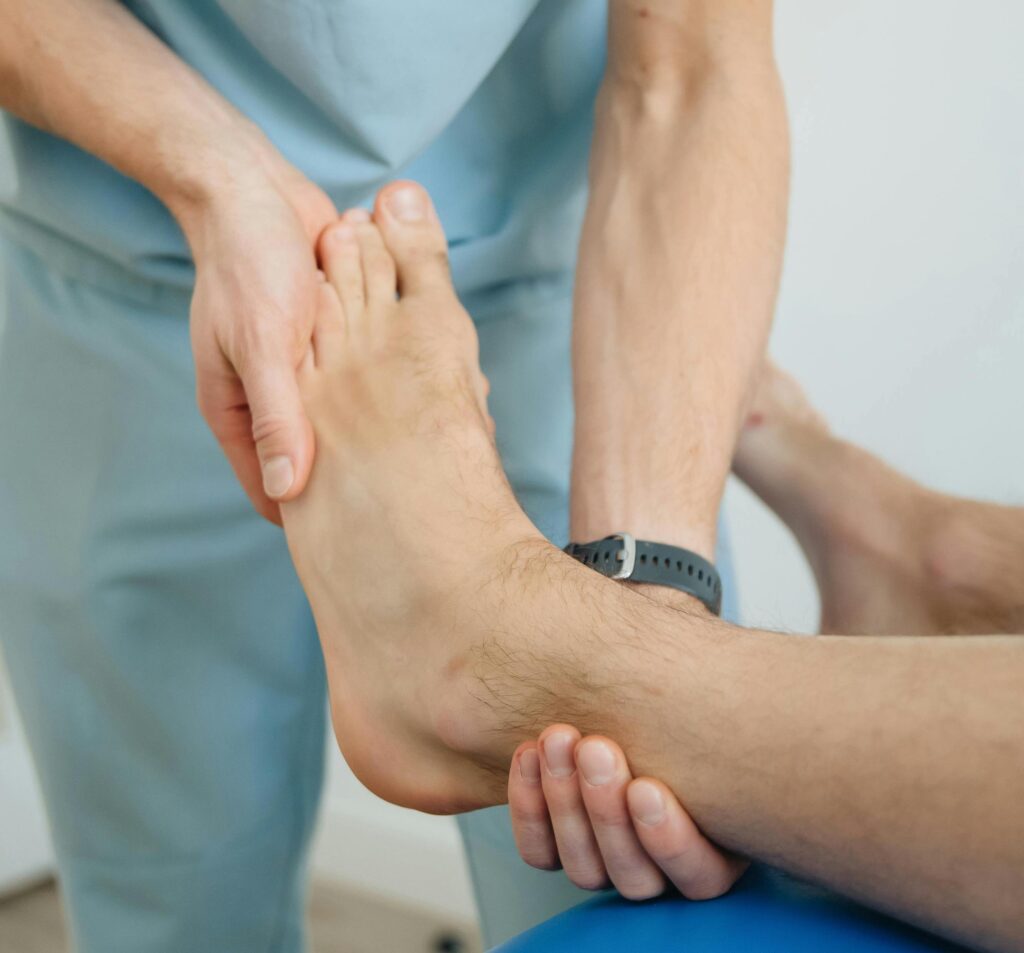
Physical therapy is a non-surgical treatment approach focused on restoring movement, reducing pain, improving physical function, and preventing future injury. It uses specific techniques, guided exercise, mobility work, strengthening, stretching, education, and hands-on care to address musculoskeletal and nerve-related problems.

At Apex Advanced Spine & Pain, physical therapy is often part of a larger treatment plan. Depending on your condition, it may be used on its own or alongside other pain management treatments to help improve your outcome and support lasting relief.

Physical therapy can help patients:

  • Reduce pain
  • Improve flexibility and mobility
  • Rebuild strength
  • Restore balance and coordination
  • Recover after injury
  • Improve posture and body mechanics
  • Prevent reinjury
  • Support healing after procedures or surgery
  • Return to work, sports, and daily activities

For many people, physical therapy is one of the safest and most effective ways to address pain at its source while improving how the body functions as a whole.

Why Physical Therapy Matters

When you are in pain, it is natural to move less. But over time, limited movement can lead to stiffness, weakness, poor posture, reduced endurance, and even more pain. This cycle can be especially common in patients with chronic pain conditions.

Physical therapy helps break that cycle.

By improving how muscles, joints, nerves, and connective tissues work together, physical therapy can reduce stress on injured areas and help the body heal in a more efficient, stable way. It can also improve confidence. Many patients who have lived with pain for months or years begin to avoid certain movements because they expect pain. Physical therapy helps restore safe movement patterns and rebuild trust in the body.

At Apex Advanced Spine & Pain, we believe physical therapy is not just about rehabilitation. It is about helping patients reclaim their lives.

Our Approach to Physical Therapy at Apex Advanced Spine & Pain

At Apex Advanced Spine & Pain in Boise, we take a personalized approach to care. No two patients are exactly alike. Even when two people have the same diagnosis, they may have different pain levels, activity limitations, medical histories, work demands, and recovery goals. That is why our physical therapy approach begins with understanding the full picture.

We consider:

✓   Your symptoms
✓   The cause of your pain or injury
✓   Your medical history
✓   Your activity level
✓   Your job demands
✓   Your lifestyle
✓   Your short-term and long-term goals

From there, we develop a treatment strategy designed specifically for you. Your plan may focus on pain reduction, functional improvement, recovery after injury, post-procedure rehabilitation, or prevention of future problems. In many cases, it includes gradual progressions so that you can improve steadily and safely.

Conditions Physical Therapy Can Help Treat

Physical therapy can be beneficial for a wide range of conditions involving the spine, joints, muscles, nerves, and soft tissues. At Apex Advanced Spine & Pain, physical therapy is often recommended for patients dealing with both acute and chronic pain conditions.

Back Pain

Back pain is one of the most common reasons people seek care. Physical therapy can help improve spinal mobility, core strength, posture, and movement patterns.

It may help with:

  • Muscle strain
  • Herniated or bulging discs
  • Degenerative disc disease
  • Sciatica
  • Spinal stenosis
  • Facet-related pain
  • Sacroiliac joint dysfunction

Neck Pain

Neck pain can affect sleep, work, concentration, and daily comfort. Physical therapy can target stiffness, muscle imbalance, postural strain, and nerve irritation.

It may help with:

  • Chronic neck pain
  • Cervical strain
  • Whiplash-related pain
  • Pinched nerves
  • Cervical radiculopathy
  • Tension-related pain
  • Limited range of motion

Joint Pain

Pain in the shoulders, knees, hips, and other joints often improves when surrounding muscles are strengthened and movement mechanics are corrected.

Physical therapy may help with:

  • Shoulder pain
  • Rotator cuff injuries
  • Knee pain
  • Hip pain
  • Arthritis-related joint stiffness
  • Tendonitis
  • Bursitis

Nerve Pain

When nerves are irritated or compressed, patients may experience numbness, tingling, burning pain, weakness, or radiating discomfort. Physical therapy can sometimes reduce mechanical pressure on nerves and improve supporting strength and mobility.

Sports and Activity-Related Injuries

Physical therapy is commonly used to help active patients return to exercise, recreation, and athletics after injury. Treatment can focus on healing, stabilization, strengthening, flexibility, and movement retraining.

Work-Related Injuries

For patients recovering from workplace injuries, physical therapy can be a vital part of return-to-work planning. It can help rebuild strength, improve body mechanics, and prepare the body for job-specific demands.

Post-Surgical or Post-Procedure Recovery

After surgery or interventional pain procedures, physical therapy may help patients improve movement, reduce guarding, and support a stronger recovery.

Chronic Pain Conditions

Patients living with long-term pain often experience deconditioning, stiffness, and fear of movement. Physical therapy provides a structured path toward improved function and quality of life.

Signs Physical Therapy May Benefit You

Many people think physical therapy is only for major injuries or surgery recovery. In reality, it can help at many stages of pain and dysfunction.

You may benefit from physical therapy if:

  • You have ongoing back, neck, or joint pain
  • Pain is limiting your daily activities
  • You feel stiff or weak
  • You have trouble walking, bending, lifting, or reaching
  • You are recovering from an injury
  • You are healing after a procedure or surgery
  • You want to avoid surgery if possible
  • You have recurring pain flare-ups
  • You want to improve posture, balance, or mobility
  • You are returning to work or sports after an injury

Early treatment can often help prevent a problem from becoming more severe or more difficult to treat.

What to Expect During Your Physical Therapy Evaluation

Your first step is a comprehensive evaluation. This is where we identify how pain is affecting your movement and function and begin building a plan to address it.

During your evaluation, we may assess:

  • Your symptoms and pain history
  • Range of motion
  • Strength
  • Flexibility
  • Posture


  • Walking mechanics
  • Balance
  • Joint mobility
  • Functional movement patterns
  • Areas of weakness, tightness, or compensation

We also talk with you about your goals. Some patients want to walk without pain. Some want to get back to work. Some want to return to the gym, travel more comfortably, or simply get through the day with less discomfort. These goals matter because they help shape your treatment plan.

What a Physical Therapy Treatment Plan May Include

Physical therapy can involve a variety of techniques depending on your diagnosis, symptoms, and stage of recovery. At Apex Advanced Spine & Pain, treatment plans are customized and may evolve as you improve.

Therapeutic Exercise

Targeted exercise is often the foundation of physical therapy. Exercises may focus on:

Core stabilization  •  Strength building  •  Flexibility  •  Endurance  •  Joint support  •  Controlled movement retraining

These exercises are chosen carefully based on your condition and tolerance level. They are designed to challenge the body in a productive, safe way.

Stretching and Mobility Work

Restricted motion can contribute to pain and dysfunction. Stretching and mobility-focused treatment can help improve flexibility and restore healthier movement in muscles and joints.

Postural Training

Poor posture and mechanical strain can place extra stress on the spine, shoulders, and hips. Physical therapy may include education and correction strategies to improve alignment during daily activities.

Functional Movement Training

Recovery is most meaningful when it helps you do the things you need to do every day. Functional training focuses on activities such as bending, lifting, standing, walking, reaching, climbing stairs, and getting in and out of positions more safely and efficiently.

Balance and Coordination Work

For some patients, especially those who have been inactive, injured, or recovering for an extended time, balance and coordination training can be an important part of regaining confidence and reducing fall risk.

Pain-Reducing Modalities

Depending on your needs, treatment may also include supportive methods aimed at helping reduce pain and improve participation in therapy.

Home Exercise Guidance

Recovery does not only happen in the clinic. Patients are often given exercises and movement recommendations to continue at home so progress can continue between visits.

Physical Therapy for Spine-Related Pain

At Apex Advanced Spine & Pain, spine care is central to what we do. Physical therapy is often one of the most important tools in managing spinal pain and dysfunction.

Low Back Pain

Physical therapy for low back pain often focuses on:

  • Core strength
  • Hip mobility
  • Posture & Lifting technique
  • Movement mechanics
  • Reducing strain on the lumbar spine

Neck Pain

Treatment for neck pain may focus on:

  • Restoring mobility
  • Improving posture
  • Reducing muscular tension
  • Strengthening supportive muscles
  • Improving shoulder and upper back mechanics

Sciatica and Radiating Pain

When pain travels into the leg or arm, physical therapy may help by improving the mechanical factors that contribute to nerve irritation while supporting the spine and surrounding structures.

Degenerative Spine Conditions

Patients with degenerative changes often benefit from a plan that builds support and improves function rather than relying only on rest or passive care.

Physical Therapy and Chronic Pain

Chronic pain can be frustrating, exhausting, and isolating. It can also create a complicated cycle of weakness, tension, reduced activity, poor sleep, and increased sensitivity to movement.

Physical therapy can be an important part of breaking that cycle.

In chronic pain care, progress may begin with small, manageable goals. The focus is often on gradually improving tolerance for movement, restoring strength, and reducing the physical limitations that pain has created over time. Patients are often surprised to find that with the right pacing and support, they can do more than they thought possible.

At Apex Advanced Spine & Pain, we understand that chronic pain treatment requires patience, encouragement, and a structured plan. Physical therapy provides all three.

Physical Therapy After Injury

After an injury, the body may guard, tighten, weaken, or compensate in ways that lead to ongoing discomfort if not addressed properly. Physical therapy helps guide recovery in a way that supports healing while restoring healthy movement patterns.

This can be especially important after:

  • Falls
  • Lifting injuries
  • Sports injuries
  • Repetitive strain injuries
  • Motor vehicle injuries
  • Work-related injuries

A guided rehabilitation plan can help reduce downtime, support tissue recovery, and improve the chances of a full functional return.

The Role of Education in Physical Therapy

Education is one of the most valuable parts of treatment. Patients often feel better when they understand:

  • What is contributing to their pain
  • Which movements are helpful
  • Which habits may be worsening symptoms
  • How to move more efficiently
  • How to support recovery between visits
  • How to reduce the risk of reinjury

We believe informed patients are empowered patients. Physical therapy is not just something done to you. It is something you actively participate in, with expert guidance, for better long-term results.

Physical Therapy and Return-to-Work Recovery

For patients whose pain affects job performance, physical therapy can be a major part of returning to work safely. This is especially important for jobs that involve lifting, standing, walking, bending, pushing, pulling, or repetitive movement.

Return-to-work rehabilitation may focus on:

  • Functional strength
  • Endurance
  • Safe movement mechanics
  • Job-specific task simulation
  • Prevention of reinjury

The goal is to help you return not just quickly, but safely and sustainably.

Can Physical Therapy Help You Avoid Surgery?

In some cases, yes. Depending on the condition, physical therapy may help reduce symptoms enough to delay or avoid surgery. Even when surgery is still needed, going through physical therapy first can often improve strength and conditioning, which may support a better recovery afterward.

Physical therapy is often recommended because it is:

  • Conservative
  • Non-surgical
  • Personalized
  • Function-focused
  • Designed to address root movement problems

For many patients, it is one of the most effective first steps in treatment.

How Physical Therapy Fits Into Comprehensive Pain Management

At Apex Advanced Spine & Pain, physical therapy is part of a broader approach to pain care. Some patients need exercise-based rehabilitation alone. Others benefit from combining physical therapy with additional treatments as part of a coordinated plan.

That integrated approach may help:

  • Improve pain control
  • Support better movement
  • Increase treatment effectiveness
  • Reduce future flare-ups
  • Build long-term stability

By combining rehabilitation with careful diagnosis and advanced pain care when needed, we help patients move beyond temporary relief and toward meaningful recovery.

Benefits of Physical Therapy

Physical therapy offers benefits that go well beyond short-term symptom control.

Patients may experience:

  • Less pain
  • Better mobility
  • Increased strength
  • Improved flexibility
  • Better posture
  • Better balance
  • Easier performance of daily activities
  • Greater independence
  • Reduced risk of future injury
  • Better long-term function

For many patients, one of the biggest benefits is confidence. When movement becomes less painful and more reliable, everyday life starts to feel possible again.

Our Approach to Physical Therapy at Apex Advanced Spine & Pain

At Apex Advanced Spine & Pain in Boise, we take a personalized approach to care. No two patients are exactly alike. Even when two people have the same diagnosis, they may have different pain levels, activity limitations, medical histories, work demands, and recovery goals. That is why our physical therapy approach begins with understanding the full picture.

We consider:

✓   Your symptoms
✓   The cause of your pain or injury
✓   Your medical history
✓   Your activity level
✓   Your job demands
✓   Your lifestyle
✓   Your short-term and long-term goals

From there, we develop a treatment strategy designed specifically for you. Your plan may focus on pain reduction, functional improvement, recovery after injury, post-procedure rehabilitation, or prevention of future problems. In many cases, it includes gradual progressions so that you can improve steadily and safely.

Your Recovery Is a Process, Not a Quick Fix

Healing takes time, especially when pain has been present for a while. Physical therapy works best when it is approached as a process of steady, meaningful progress. Some improvements come quickly. Others take time and repetition. What matters is building a stronger, more functional foundation for the future.

At Apex Advanced Spine & Pain, we help guide that process with realistic goals, supportive care, and a focus on measurable improvement.

Start Moving Toward Relief

You do not have to let pain control your life. If pain, stiffness, weakness, or limited mobility are affecting your daily routine, physical therapy may be an important step toward relief and recovery.

At Apex Advanced Spine & Pain in Boise, Idaho, we are here to help you reduce pain, improve movement, and get back to doing the things that matter most. Whether you are dealing with chronic pain, recovering from injury, or looking for a non-surgical path forward, our team is ready to help you move ahead with confidence.

Schedule an Appointment With Apex Advanced Spine & Pain

Discover how personalized physical therapy can support your healing, restore your function, and help you return to a more active life.